Art Hotels
Six hotels that occupy buildings kept for what they already were: an apartment house, a set of river warehouses, a town house full of mid-century furniture. Each entry describes the fabric of the building and the public rooms, and says what to confirm in writing.
Hotel Vernet
Paris, France
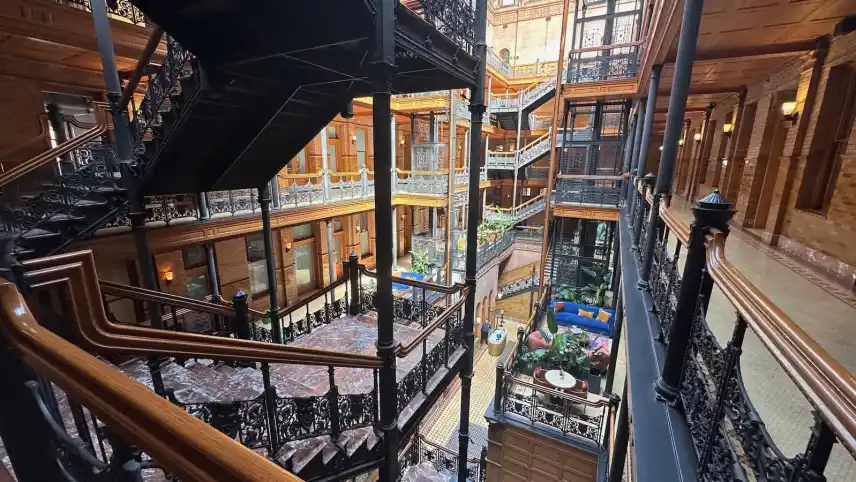
Hotel Vernet stands on a quiet street off the Champs-Élysées in the eighth arrondissement of Paris. The house dates from the early years of the last century and keeps its stone front and wrought balconies. Its restaurant sits under a glazed vault attributed to the workshop of Gustave Eiffel, and that roof is the reason the address is listed here.
The vault runs the length of the dining hall and is carried on a light iron frame. Below it the room keeps its original proportions, with tall windows to the street. Guest floors are reached by a narrow stair hall, and the ground floor holds a bar and a small salon.
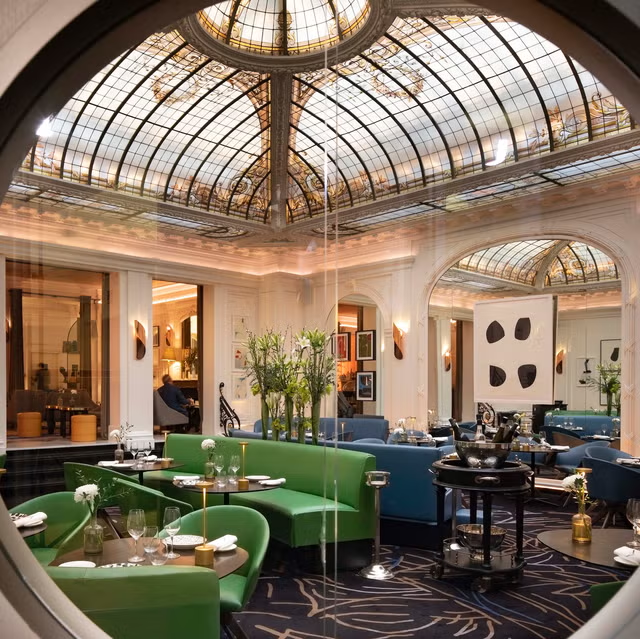
Ask whether the glazed hall is open to guests at the hour you plan to arrive, since it is used for service rather than as a lounge throughout the day. Room sizes vary a good deal in a house of this age, so confirm the plan held for you.
- Category Art Hotels
- Location Paris, France
- Checked September 2026
Hotel Alexandra
Copenhagen, Denmark
Hotel Alexandra occupies a city house near the town hall square in Copenhagen. Its rooms are furnished with Danish design of the middle of the last century: chairs, lamps and cabinets by named makers, collected over years rather than reproduced. Furniture differs from room to room, which is what places the house in this part of the guide.
Public rooms carry the same collection. The lobby and breakfast hall are laid out with period seating, and the corridors hang prints and posters from the same decades. The building itself is older than the furniture, with high ceilings and the plan of a nineteenth-century town house. A lift was added later at the rear.
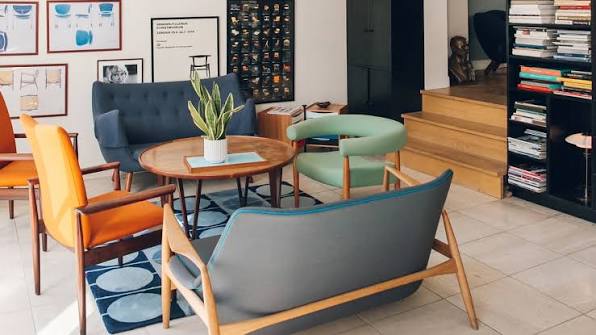
If a particular room interests you, write and ask which pieces it holds, since the house documents them individually. Ask also about ceiling height, lift access and street noise, as these differ between the front and the rear of the building.
- Category Art Hotels
- Location Copenhagen, Denmark
- Checked September 2026
Casa Fuster
Barcelona, Spain
Casa Fuster stands at the head of the Passeig de Gràcia in Barcelona. The building was completed in 1908 to a design by Lluís Domènech i Montaner, and it worked as an apartment house long before it became a hotel. Its marble front, columned ground floor and corner tower are the original fabric of that house.
The main hall keeps its columns and vaulted ceiling and is used today as a cafe. A room on the first floor is used for music. Upper floors were rebuilt for guest use, but the street front, the stair and the roof terrace over the avenue remain from the original house.
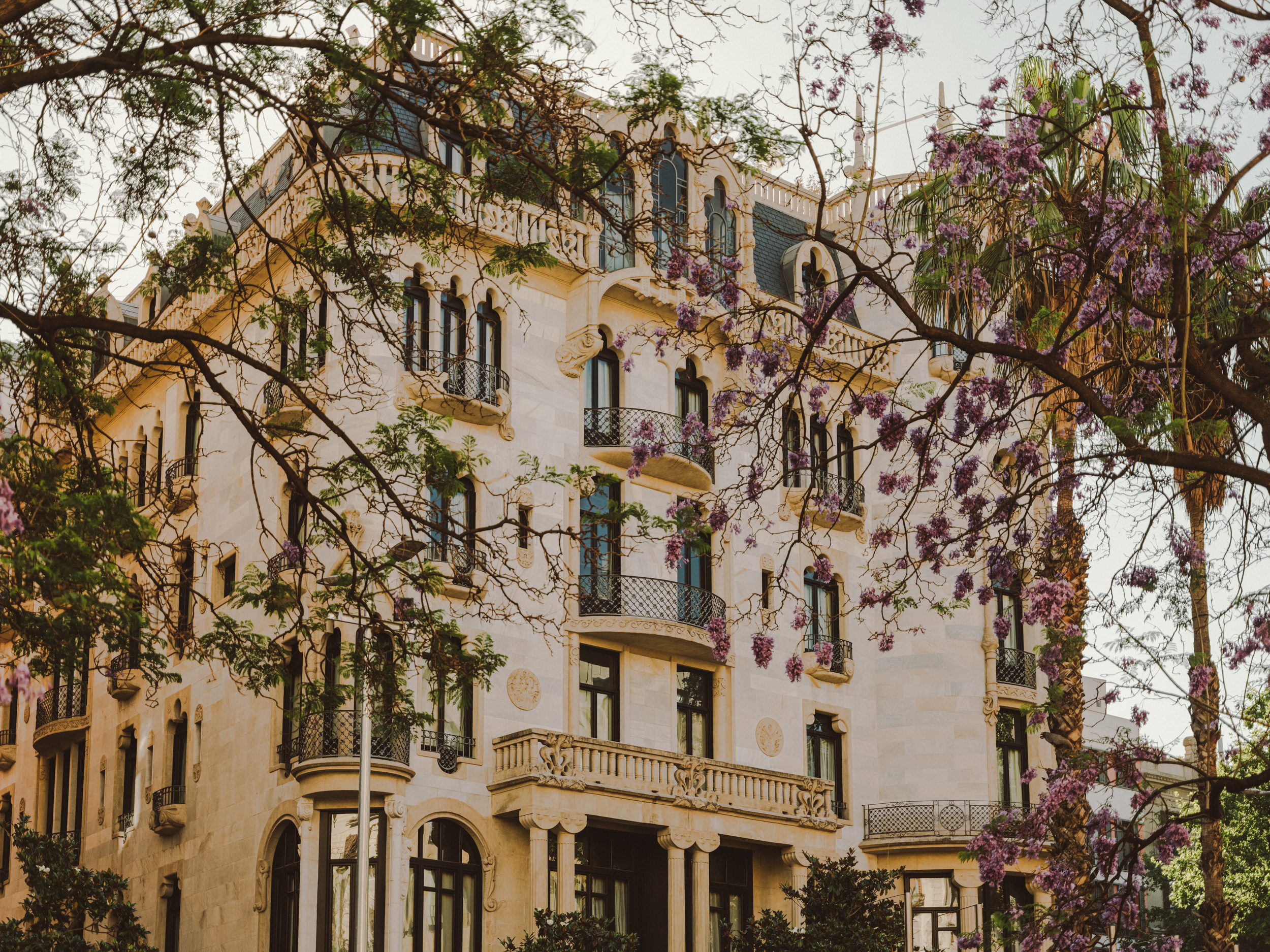
Ask which side a room faces, since the avenue front and the inner side differ in light and in noise. Access to the roof terrace and the schedule of the music room are set by the hotel and are worth confirming before arrival rather than after.
- Category Art Hotels
- Location Barcelona, Spain
- Checked September 2026
Britannia Hotel
Trondheim, Norway
Britannia Hotel occupies a block in the centre of Trondheim and opened in 1870. The house was rebuilt and extended over the following century, and it closed for several years for a full restoration before reopening. Its most familiar room is a hall set under a glass roof, which is why the address appears in this part of the guide.
The hall is a double-height space with a fountain at its centre, ringed by columns and lit from above. Around it the ground floor holds restaurants and a bar. Guest floors run along the street fronts, and the restoration kept the older stair and the plaster work of the public rooms.
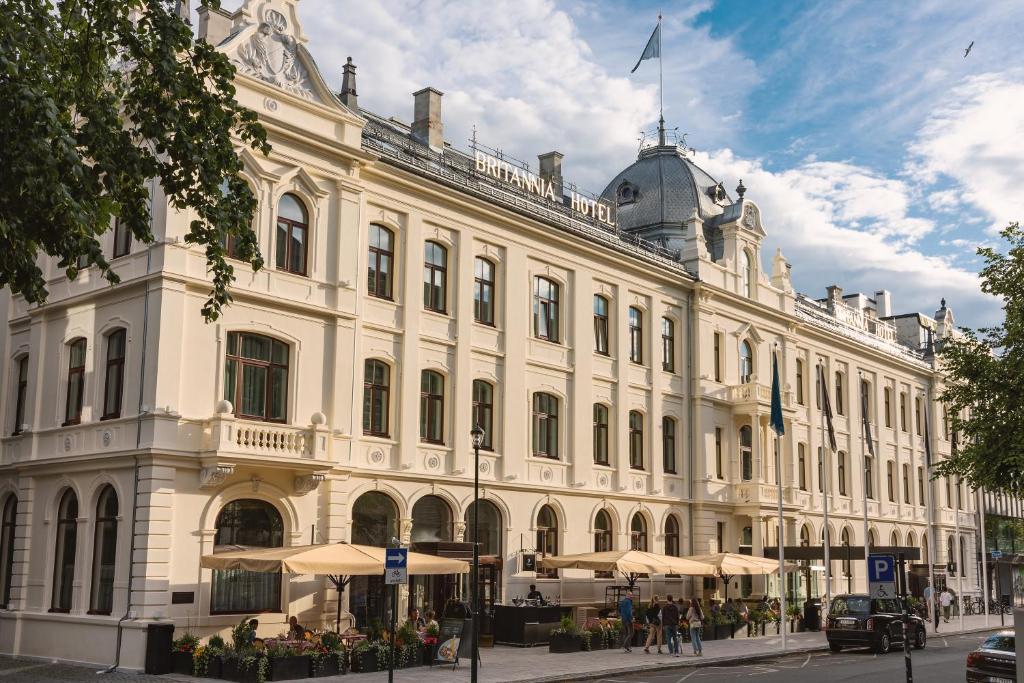
The glass-roofed hall is used for meals at set hours, so ask when it may simply be sat in. It is also worth asking which part of the building a room stands in, since the house grew by stages and the older and newer wings differ.
- Category Art Hotels
- Location Trondheim, Norway
- Checked September 2026
Hotel Kompaniet
Nyköping, Sweden
Hotel Kompaniet stands by the river in the old part of Nyköping, in southern Sweden. The house is a nineteenth-century building that served trade before it took guests, and the yellow plastered front and timber structure survive. It is a small house, run independently, and its rooms are fitted individually rather than to one plan.
The ground floor holds a restaurant and a bar under low beamed ceilings. A courtyard sits behind the building, and the water runs a few steps away past the old warehouses of the town. Rooms above vary in size and shape because the original plan of the house was kept when it was converted.
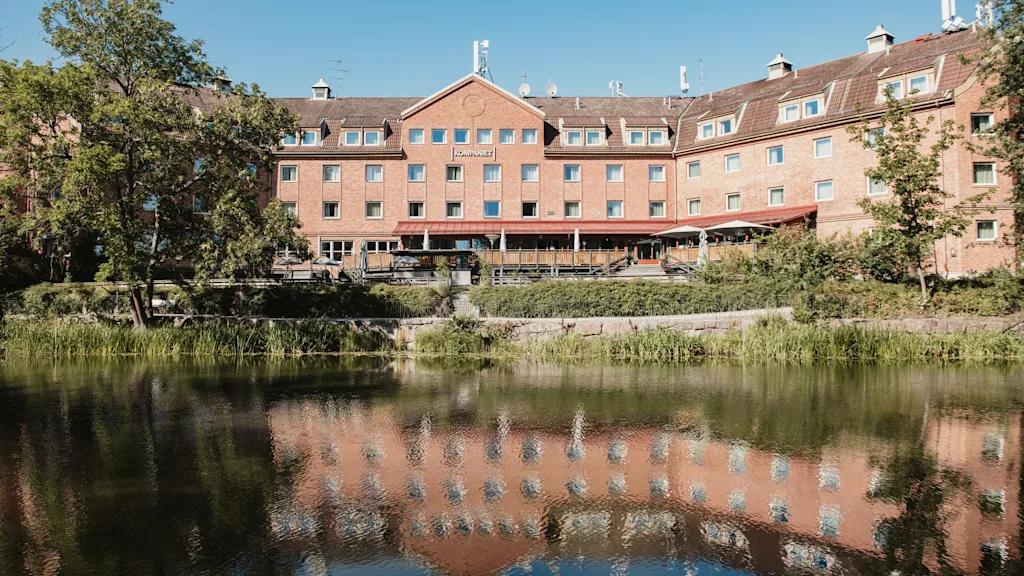
Ask which room has been held and how it is reached, as an older house of this kind has stairs rather than a full lift service. Restaurant hours and the use of the courtyard depend on the season and should be confirmed with the house directly.
- Category Art Hotels
- Location Nyköping, Sweden
- Checked September 2026
Hotel Chais Monnet
Cognac, France
Hotel Chais Monnet occupies a group of nineteenth-century warehouse buildings on the bank of the Charente in Cognac. The buildings were raised to store barrels and worked that way for over a century before conversion. Stone walls, timber roofs and the long low proportions of the stores were all kept when the hotel was made out of them.
The old stores now hold rooms, a restaurant and a hall used for concerts and exhibitions. A newer wing was added in glass and steel alongside them, and gardens run between the buildings down to the river. A cellar under the site is used for events, and the courtyard between the wings is planted.
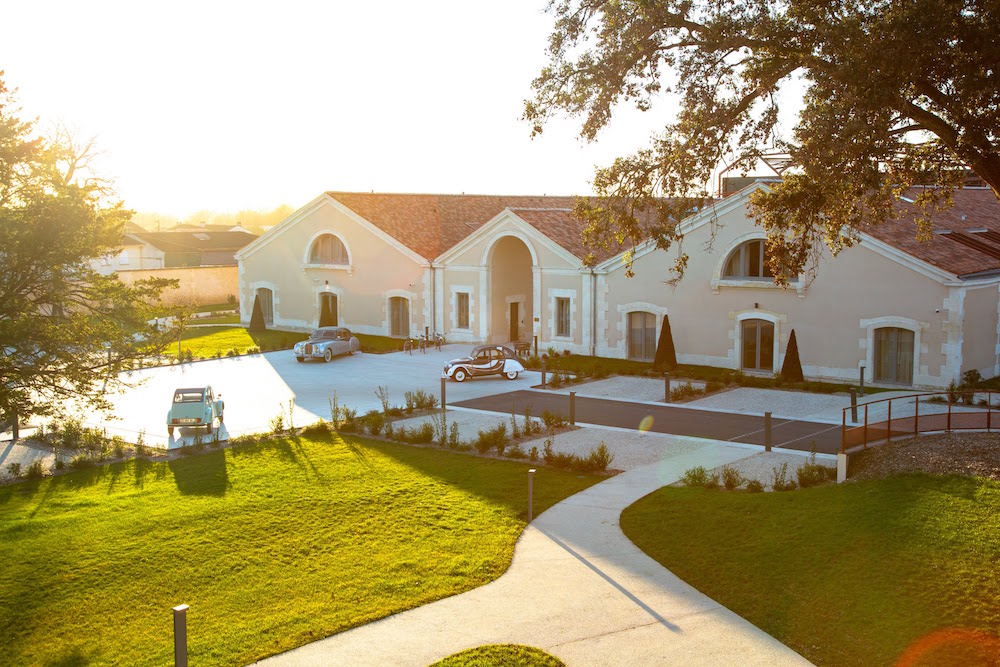
Ask whether a room lies in the converted stores or in the newer wing, because the two differ in ceiling height and in outlook. The programme of the hall and the opening of the restaurant change through the year and are worth confirming before travel.
- Category Art Hotels
- Location Cognac, France
- Checked September 2026
On this page
- Hotel Vernet Paris, France
- Hotel Alexandra Copenhagen, Denmark
- Casa Fuster Barcelona, Spain
- Britannia Hotel Trondheim, Norway
- Hotel Kompaniet Nyköping, Sweden
- Hotel Chais Monnet Cognac, France
This guide is independent and descriptive, and no house listed here has any part in it. Building histories are drawn from open sources and may be revised. Nothing is sold, scored or reserved on this site. Access to public rooms, restaurant hours and room plans should be confirmed with the hotel.